






Call
4.6
4.4
South Wales home with cavity wall insulation installed by CRS Energy
CRS Energy

Cavity Wall Insulation In South Wales

Warmer rooms, lower heat loss, and a more comfortable home, installed by a PAS 2030 certified team and registered with a 25-year guarantee. Free, no-obligation technical inspection & quotation.

  • PAS 2030 Certified Installations
  • 25-Year Guarantee
  • Insurance-Backed Warranty
  • Free Technical Inspection
  • No Obligation Quote

Get Started

Get In Touch

Submit your details to speak with one of our representatives about cavity wall insulation or to arrange your free, no-obligation inspection.

By submitting you agree to our privacy policy. We never share your details.

We Inspect First. We'll check whether cavity wall insulation is right for your property. If we find underlying issues, we'll explain what needs to be remediated first, so your home can be made suitable before any insulation work is considered.

Certified, Registered, Insurance-Backed

NICEIC Approved ContractorKiwaTrustMark Government Endorsed QualityGas Safe RegisterQualityMark Protection AccreditedBFC Approved Competent Persons

The Problem

Why Cavity Wall Insulation Matters

Did you know that most of the heat lost from an average UK home escapes through the walls? Cavity wall insulation acts like a cosy jacket for your home, helping keep it warmer in winter and cooler in summer, while saving you money on energy bills.

Heat Loss

0%

Of Heat Can Be Lost Through Walls

But It's Also One Of The Areas You Can Do Something About

If your cavity walls are unfilled, poorly filled, or affected by moisture, your home may lose heat faster than it should. A professional inspection helps confirm what is happening and whether insulation, remedial work, or ventilation improvements are the right next step.

UK Avg. Dual-Fuel Bill+134%
£7002016£1,641Apr '26£1,840Jul '26**Ofgem cap forecast
Energy Bills

Energy Bills Just Keep Climbing

Average UK dual-fuel bills now sit at £1,641 - more than double 2016's £700, with rises to around £1,840 forecast for late 2026.

How Cavity Wall Insulation Helps

Filling your cavity walls can save the typical UK home between £110 and £395 a year on heating - keeping more cash in your pocket every winter.

A family relaxing together in a warm, cosy living room
Comfort Benefit

A Cosier Home For Longer

Cavity wall insulation helps your home hold onto warmth, so rooms feel more comfortable even after the heating turns off.

How Cavity Wall Insulation Helps

Suitable insulation can reduce cold spots, support a more even room temperature, and help your home feel warmer through the colder months.

What Happens Next

From a free technical inspection through to installation day and your completion pack, we keep each step clear so you know what we are checking, what happens on site, and what paperwork you receive afterwards.

See Our Process
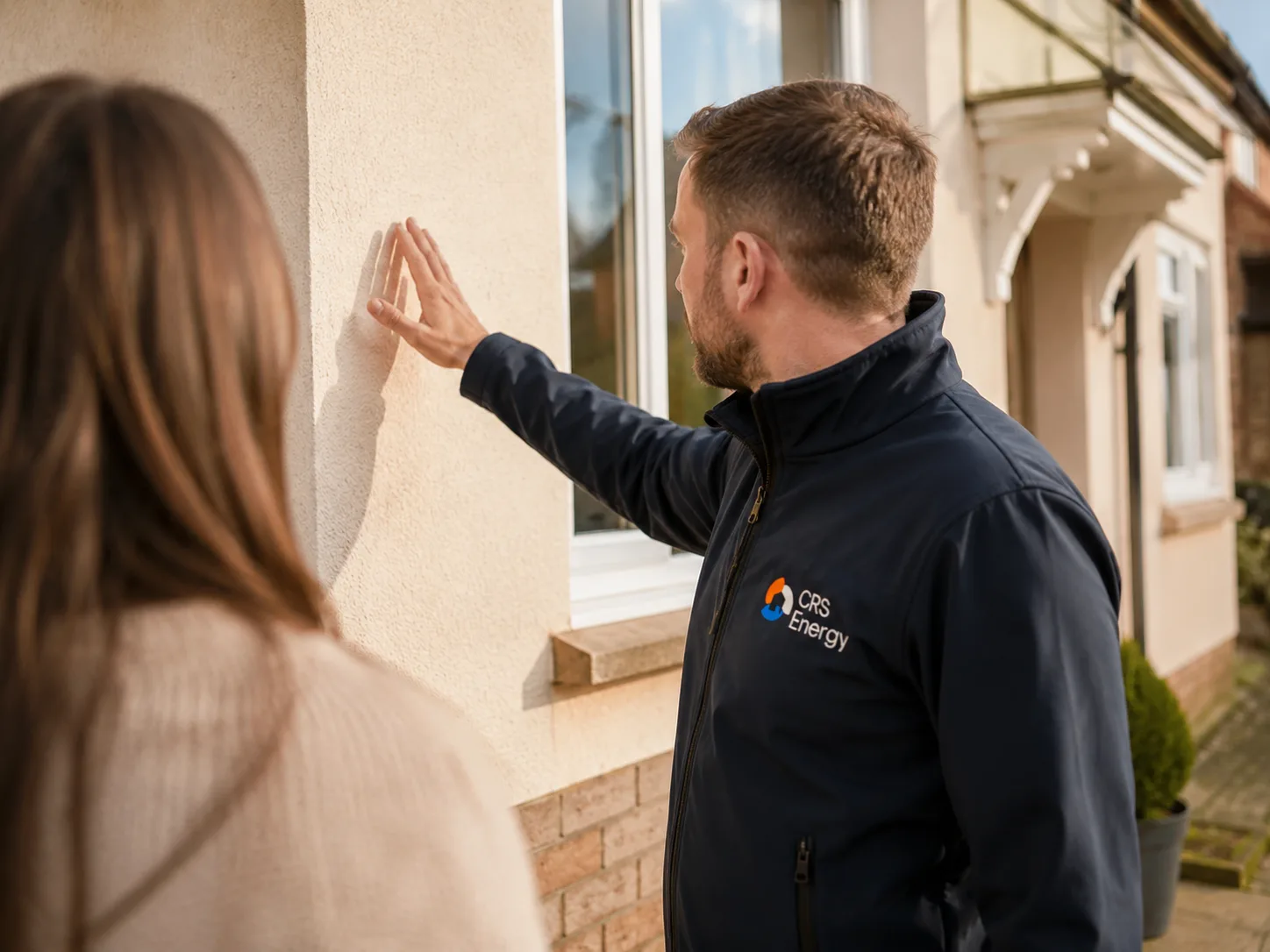
CRS Energy surveyor inspecting an external cavity wall with the homeowner

What We Often See On Site

What Colder Homes Often Have In Common

We've visited many homes where certain rooms never seem to stay warm for long, even when the heating is working. Sometimes the issue is linked to missing insulation, older materials, patchy coverage, or external walls that lose warmth quickly in exposed weather. These patterns are often noticed first as cold walls, slow-heating rooms, condensation patches, or draughty-feeling areas near outside walls.

Book A Free Inspection

Does Any Of This Sound Familiar?

Below are the patterns we see most often across South Wales before we recommend bonded bead insulation.

Family enjoying warmer living space after bonded-bead cavity wall insulation installation

Rooms Do Not Retain Heat

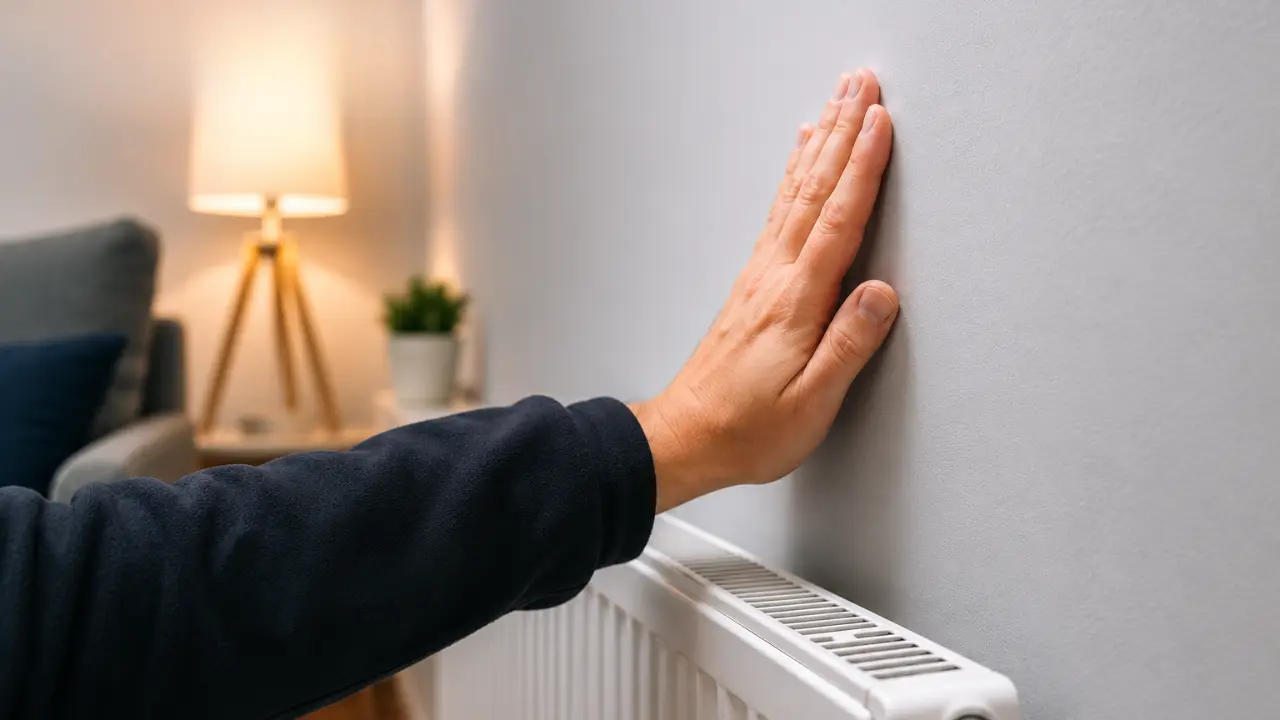
Heat escapes quickly through unfilled cavities, which results in Uninsulated cavity walls even after you've turned the heating up.

Common Signs

  • Chilly Plaster
  • Uneven TRV Response
  • Cold Corners
  • +1 more

Why It Matters

Bonded bead fills the cavity evenly where suitable so emitters regain control without chasing boiler upgrades.

CRS inspector discussing ventilation alongside cavity suitability checks

Condensation Lingering By External Walls

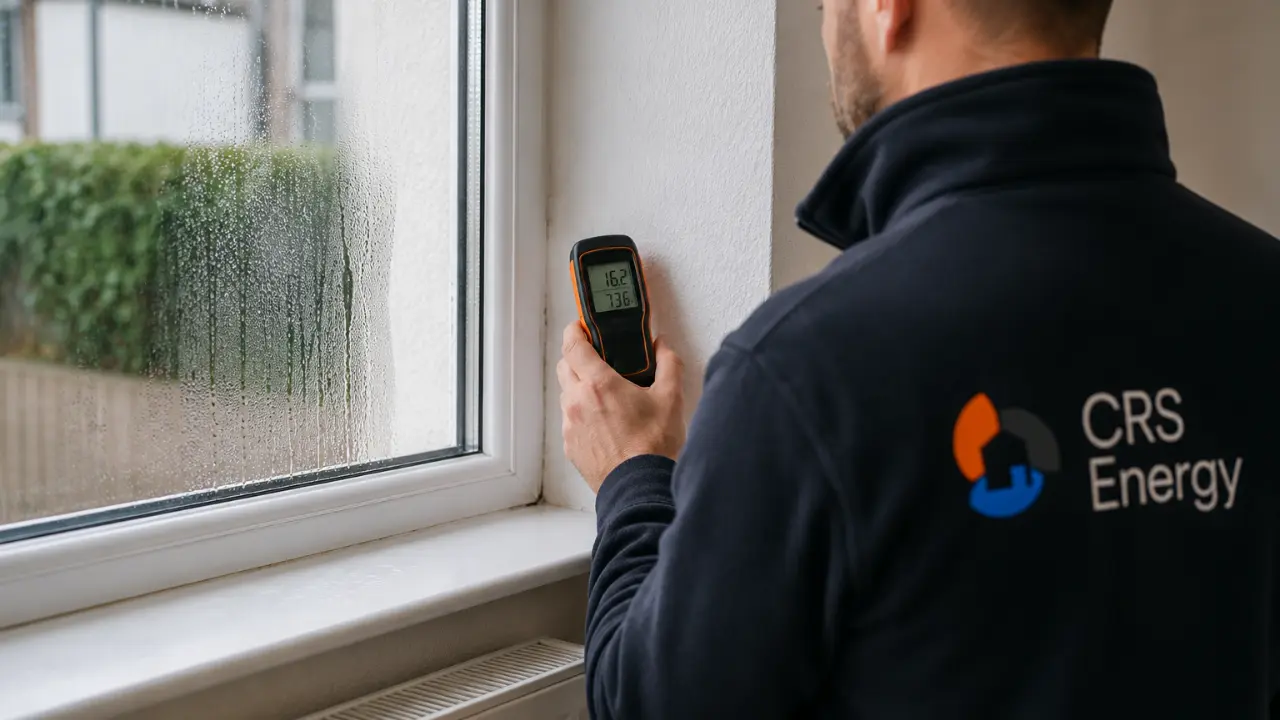
Warm indoor air meets colder surfaces near external walls. Uninsulated cavity walls make those surfaces colder for longer.

Common Signs

  • Dew On Paint
  • Mould Hotspots
  • Peeling Wallpaper
  • +1 more

Why It Matters

Better insulated surfaces lift temperatures whilst we flag ventilation tweaks whenever inspections suggest they're needed.

Technical illustration of cavity awaiting bonded bead injection after inspection clearance

Told Your Cavity Walls Are Too Narrow?

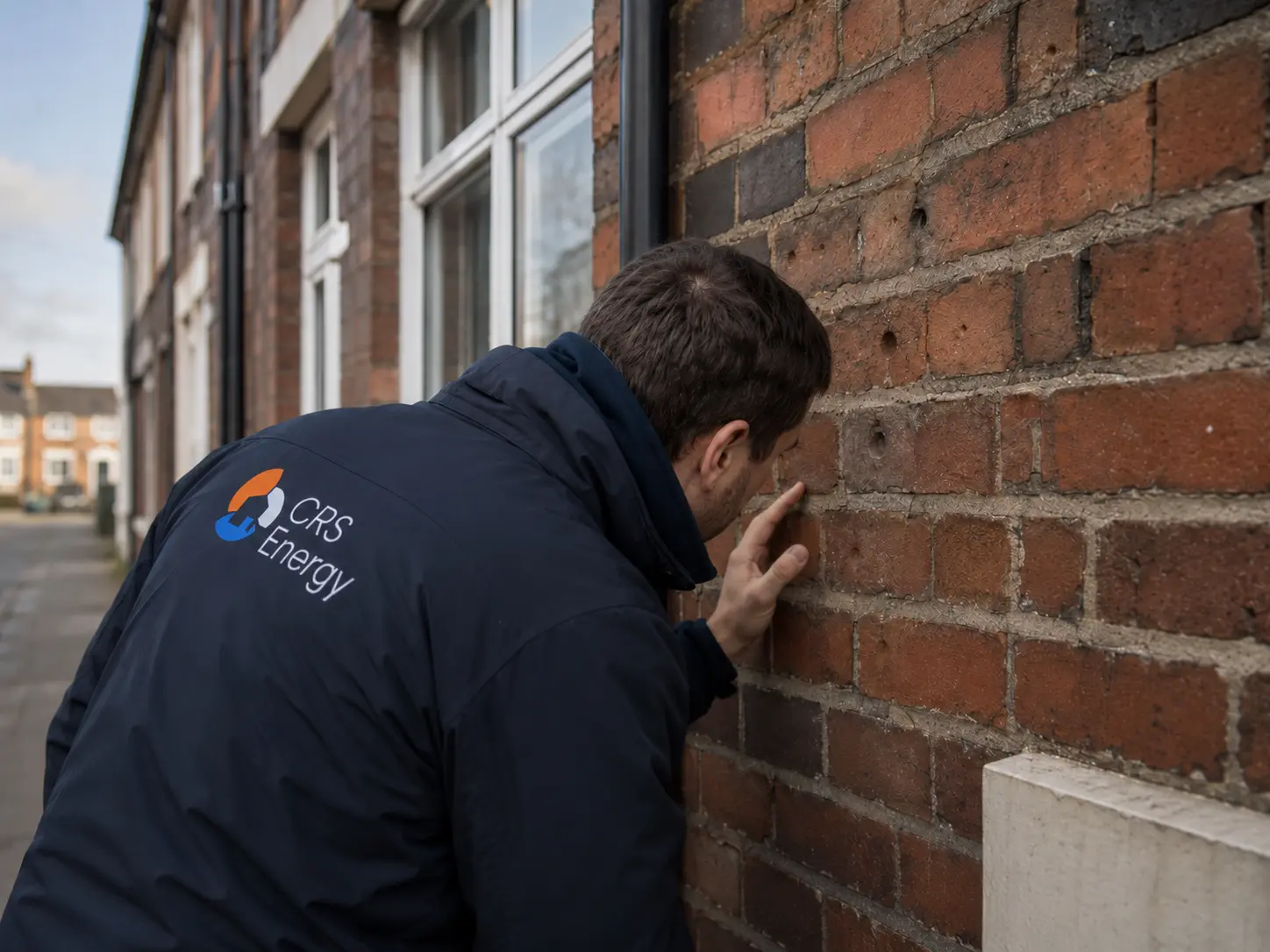
Older properties are often ruled out too quickly. We check the cavity properly so you know whether modern bonded bead insulation may be suitable for your home.

Common Signs

  • Previously Told No
  • Narrow Cavity Concern
  • Older Property
  • +2 more

Why It Matters

Many older properties were previously ruled out for cavity wall insulation because the cavity was considered too small. Modern bonded bead systems may now be suitable for some narrow cavities, but only where the wall condition, exposure, and cavity width are right. That is why we inspect first before recommending any installation.

Close-up emphasizing breathable bead pack protecting cavity skins in exposed exposures

One Side Of The House Feels Colder

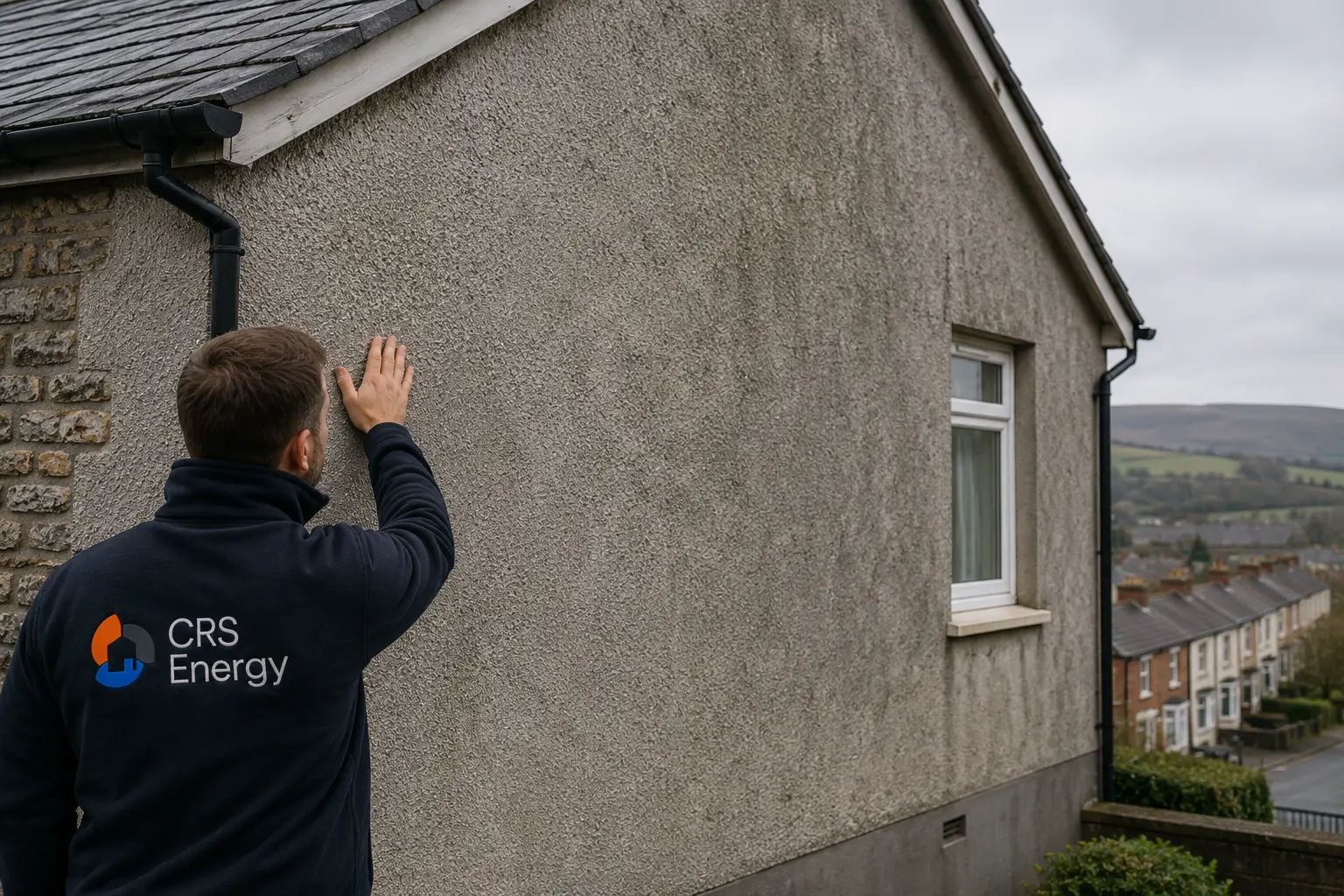
Some homes have one wall or room that always seems harder to keep warm, especially side walls, gable ends, or rooms facing open weather. Homeowners often notice that these areas feel colder, take longer to heat up, or are more prone to condensation after wet or windy weather.

Common Signs

  • One Room Feels Colder
  • Cold Side Wall
  • Draughty External Wall
  • +2 more

Why It Matters

If one side of the property is more exposed, we need to check the wall and cavity properly before recommending insulation. The wall may still be suitable, but exposure, moisture, and external condition all need to be considered first.

Our Cavity Wall Insulation Process

Before any insulation is installed, we make sure your property is suitable for cavity wall insulation. Our team checks the condition of the walls, plans the correct installation approach, and provides clear evidence once everything is finished.

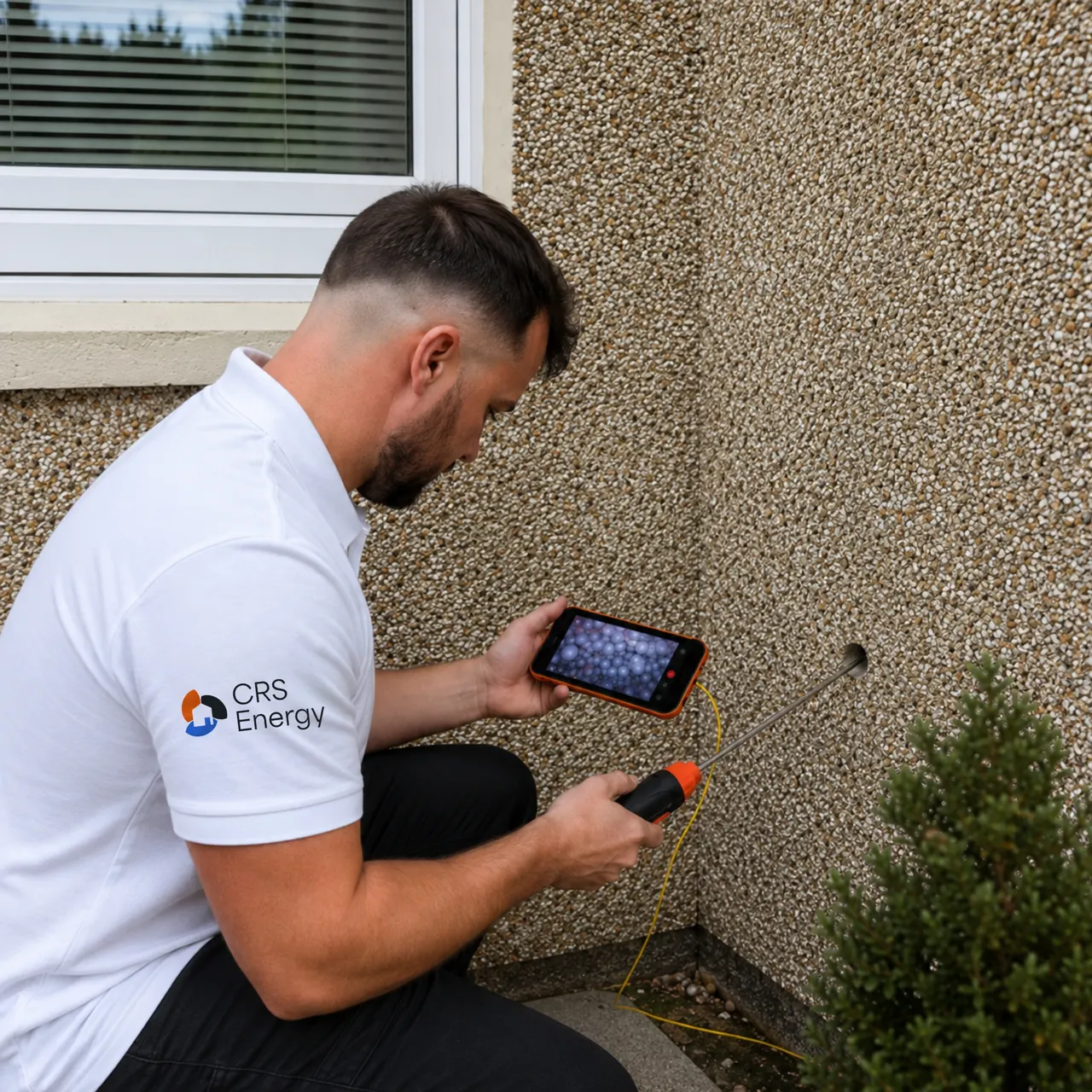
PAS 2030 cavity wall surveyor inspecting with borescope tooling

Step 01 Of 04

Suitability Survey

Our friendly surveyor will thoroughly inspect all elevations (sides) of your property to determine if our bonded bead insulation system is the best choice for you. They will use a specialised camera to take photos during the inspection, ensuring that the cavity void is clean, clear, and suitable for installation. This information will be communicated to our office to prepare your quotation.

What We Confirm

  • Wall Tie Condition Inspection
  • Rubble Or Debris Presence
  • Wall Suitability

If the survey flags anything, we can usually put it right before we insulate. We'll make that clear in your quote.

Typical Onsite Window
~1 Day (Many Homes)
Team
2 Installers
Core System
EPS Bonded Beads
Guarantees & Warranties
25-Year Insurance-Backed Guarantee
Payment
Only When Work Is Complete

Take The First Step Towards A Warmer Home

We'll start by checking whether your property is suitable for cavity wall insulation. From there, you'll receive clear advice, a works plan, and guidance on what happens next.

Book A Free Inspection

What Happens On Installation Day

  1. 01

    Arrival & Pre-Start Check

    • Confirm agreed works and walk a quick pre-start check
    • Keep access clear and talk through the plan for the day
    • Answer any last questions before work begins
  2. 02

    Preparing The Property

    • Set up working areas safely, mostly from outside
    • Internal drilling or special access already agreed at survey
  3. 03

    EPS Bonded Bead Installation

    • Install EPS bonded bead using the method agreed for your property
    • Even fill designed to suit how your wall manages moisture
  4. 04

    Checks, Making Good & Clean-Up

    • Run checks once the cavity fill is complete
    • Making good as part of the works, then tidy before we leave
  5. 05

    Handover & What Happens Next

    • Confirm completion on site and explain next steps
    • Completion paperwork, guarantee registration and aftercare guidance

Good To Know

  • Roughly One Working Day

    Most cavity installs are aimed at a single day on site, subject to property size and weather.

  • Mostly From Outside

    The bulk of the work is carried out externally; internal access, if required, is agreed at survey.

  • Clear Access Helps

    Please leave gates, paths, and working areas reachable so we can move kit and materials safely.

  • Parking For The Crew

    Nearby parking makes unloading equipment quicker and saves time on the day.

  • Pets And Children

    Keep them away from active work areas while we are on site so everyone stays safe.

Not sure if your walls suit cavity fill?

Book an inspection and we’ll tell you straight if it’s the right move, and what happens next.

Book A Free Inspection
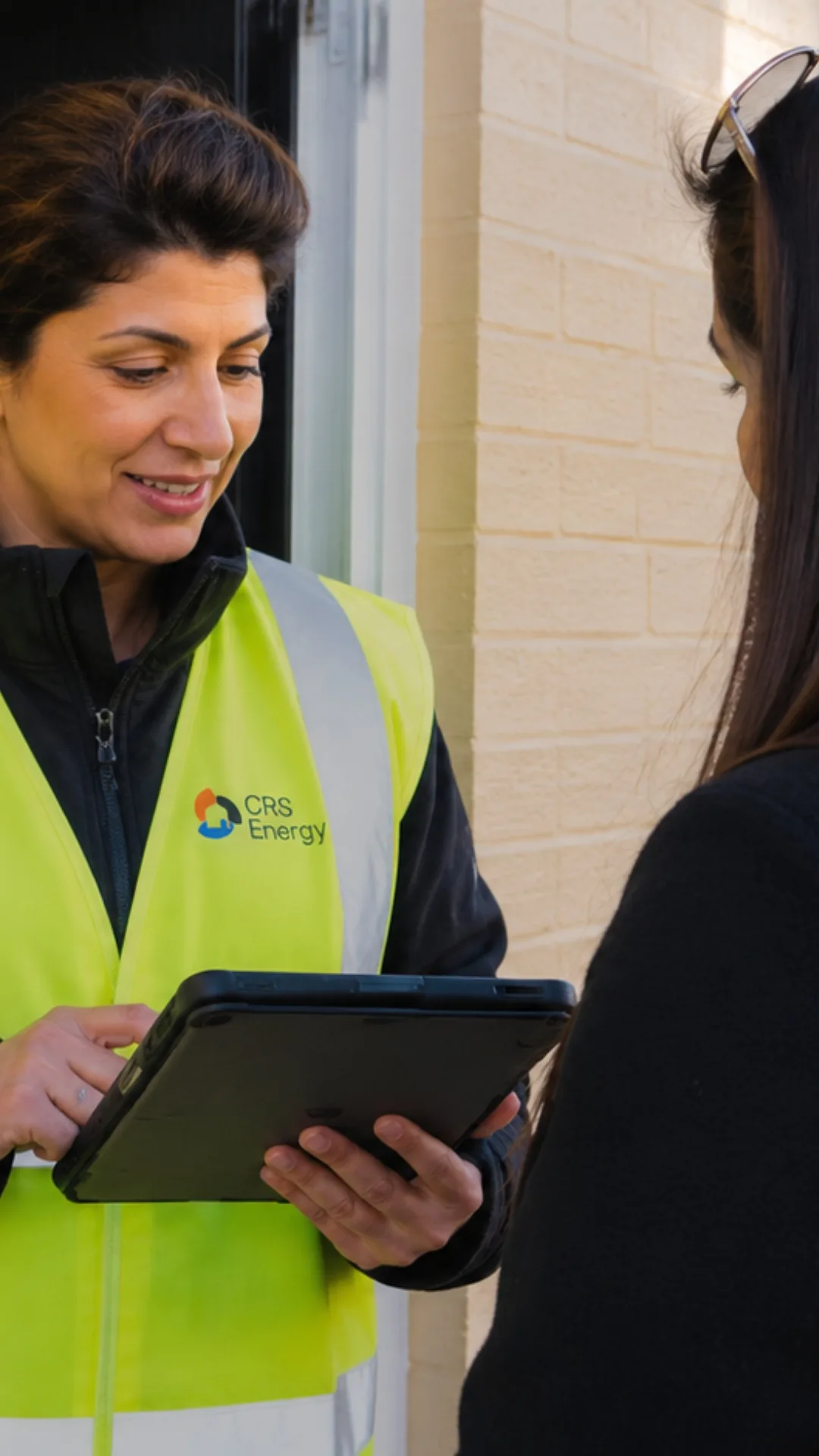
CRS Energy technician reviewing cavity wall insulation documentation with the homeowner on a tablet

Included after installation

Your Completion Pack

Your Completion Pack, Guarantee & Aftercare

Once your EPS Bonded Bead Insulation System has been installed, we provide clear paperwork describing the system, the guarantee details, and any aftercare information you need to keep for your records.

This gives you a clear record of your EPS Bonded Bead Insulation System, useful information for future home improvements, and peace of mind that the installation has been properly documented.

  • Installation Certificate

    Confirmation of the EPS Bonded Bead Insulation System installed at your property.

  • Guarantee Registration

    Details of the guarantee provided with your EPS Bonded Bead Insulation System, where applicable.

  • Warranty Information

    Clear information about the cover linked to your EPS Bonded Bead Insulation System.

  • Completion Evidence

    Photos or records confirming the work has been completed and checked.

  • Aftercare Guidance

    Simple guidance on what to expect after installation and who to contact if you have any questions.

  • Building Control or Compliance Notes

    Provided where required, depending on the type of work and scheme requirements.

Why this matters

Your completion pack helps you keep a clear record of your EPS Bonded Bead Insulation System. It can be useful if you sell, remortgage, arrange future home improvements, or need to check your guarantee details later.

Not Every Cavity Is Suitable For Insulation Work

Exposed elevations, bridging debris, unresolved damp pathways, ventilation shortfalls or failed historic insulation can rule out cavity fill until remediation happens. CRS handles damp remediation, ventilation and extraction programmes, so our surveyors prioritise an honest sequence rather than a quick sale.

Bonded-bead cavity insulation

Why We Recommend Bonded Bead Insulation

We recommend EPS bonded-bead insulation. It is designed to spread evenly through the cavity, reduce heat loss and support reliable performance over time. Find out more below.

Surveyed first, then installed only where cavity wall insulation is the right option.

Designed To Fill The Cavity Evenly

EPS bonded beads are blown into the cavity to build an even layer across the agreed areas.

  • Forms a consistent bonded layer inside the cavity, helping reduce heat loss through external walls
  • Doesn't allow cold spots by filling gaps more consistently across the wall

Helps Your Home Hold Heat For Longer

Cavity insulation can trim heat loss through external walls so rooms feel warmer in colder weather.

  • Supports everyday comfort and efficiency.
  • Performance depends on wall condition and suitability checks

Moisture-Aware, Vapour Open System

The EPS bonded bead system limits unwanted water tracking yet stays vapour open, meaning moisture vapour can still move through the wall naturally.

  • We review exposure, wall condition and ventilation requirements before recommending work
  • We Install only where the survey confirms a cavity wall insulation fill is appropriate

Installed From Outside Your Home

Work is usually carried out from outside through small holes along the mortar joints, then sealed and left tidy once the fill is complete.

  • Typically no need to strip internal wall finishes
  • Keeps disturbance inside your home to a minimum

A small number of properties may still need minimal internal access or finishing where your survey identifies it; your installer will confirm what applies before work begins.

Satisfied this is the right system for your home? Book a free inspection and we will confirm suitability before any work is scheduled.

Book A Free Inspection

Why CRS

Family Founded, Employee Owned, Inspection Led.

CRS Energy is a Wales-based retrofit specialist. We measure first, recommend honestly, and only install when the property is genuinely suitable.

Family Founded 2018

10,000+ Installations

Started with one van in South Wales. Today a fully in-house team of surveyors, installers and retrofit specialists.

Employee Owned

EOT Since 2024

Owned by the people who do the work, so accountability for quality and aftercare stays with the team on site.

Independently Audited

PAS 2030, TrustMark

Every install governed by PAS 2030, registered with TrustMark, and backed by insurance-backed guarantees.

Real Homeowner Reviews

Loved By Homeowners, Trusted By Experts

We're proud to help South Wales homeowners protect the property they live in every day. Here is what some of our customers have shared after working with us.

Typical 1-Day InstallPAS 2030 Certified25 Year Guarantee
4.6

Rated 4.6 On 50 Google Reviews

See All On Google

Transparent Pricing

Every quote is built around your property - not a price list.

No guesswork. No off-the-shelf packages. We measure, assess, and quote based on your home's actual floor area and construction type - so you only pay for what's needed.

Floor area (m²)

The primary measure - total heated floor space determines the scope of works.

Insulation type

Cavity wall, loft, internal wall, room-in-roof - each has a different material and labour rate.

Construction type

Cavity, solid brick, timber frame - affects product choice and install method.

How It Works

  1. 1We attend your property and measure the floor area and external wall areas
  2. 2We assess construction type and insulation suitability
  3. 3Your written quotation is issued - priced per m²
  4. 4No obligation - no hidden extras

Ready To Get Your Quote?

Get in touch and we'll arrange a visit. We'll measure up, assess your property and give you a clear, itemised quote - calculated on your actual floor area.

Frequently Asked Questions

Cost depends on your home's heated floor area, construction type and access logistics. Published price lists rarely reflect South Wales exposures, so after a PAS 2030 inspection you receive a bespoke itemised quotation per m², with no obligation to proceed.

Most brick cavity dwellings built after the 1920s can be insulated, though exposure to driving rain, narrow cavities, bridging debris or failed historic fills means some properties must be remediated or partially extracted before injection. Inspection scope proves suitability before mobilisation.

Still unsure? Book a free inspection and we will confirm whether bonded-bead cavity insulation is appropriate for your home.

Book A Free Inspection

Have questions? We're here to help.

Speak to a surveyor directly - no sales pitch, no obligation.

Book Your Free Cavity Wall Inspection

Complete the form and we'll arrange your free, no-obligation inspection. Or call 01656 334698.

By submitting you agree to our privacy policy. We never share your details.